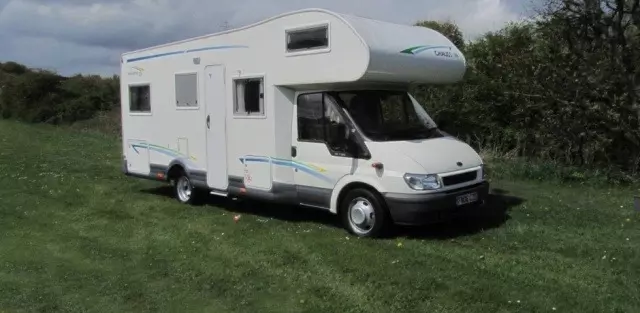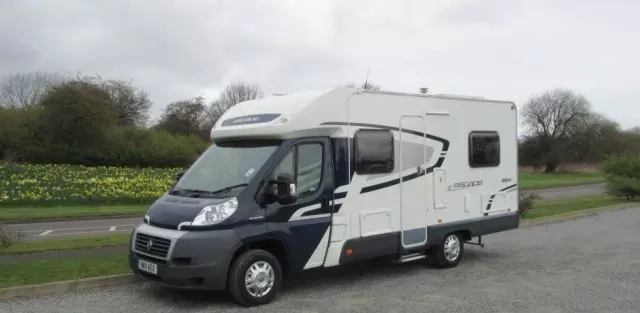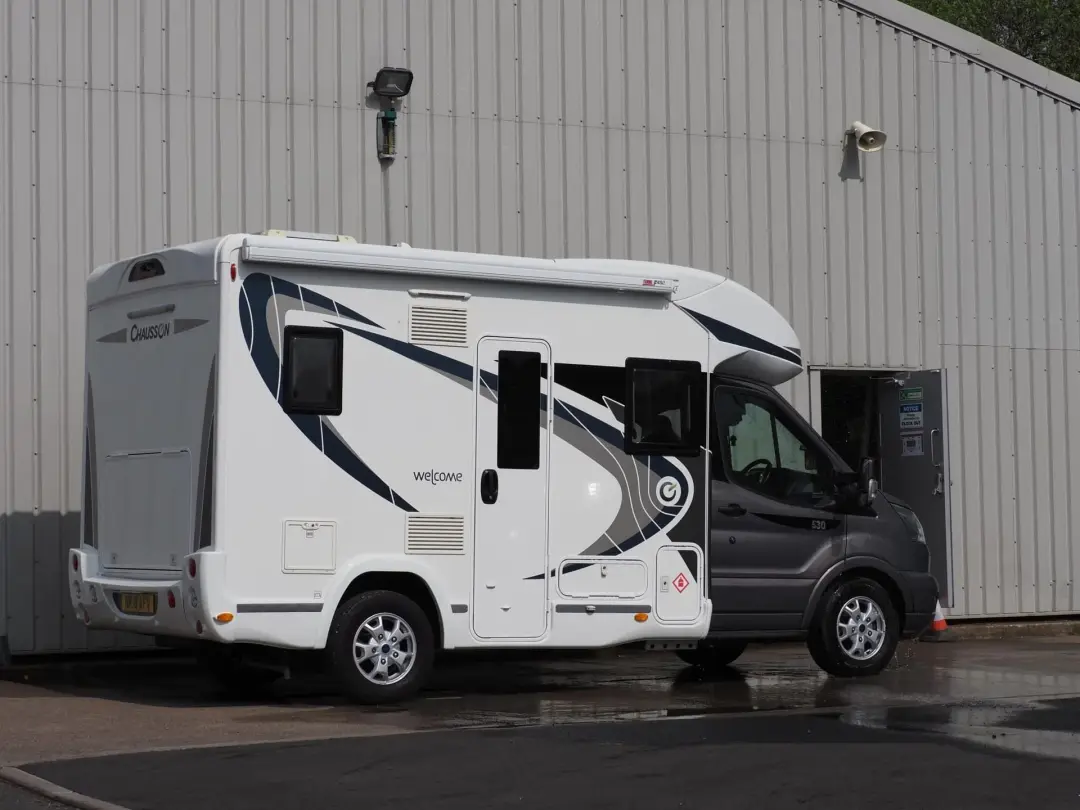
A motorhome MOT does not replace a service. The MOT assesses specified roadworthiness and emissions requirements at the time of the test. Servicing maintains components according to their age, mileage and condition. Habitation work addresses a third area: the accommodation you cook, wash and sleep in. Booking the right combination starts with understanding those separate jobs.
What a motorhome MOT actually tells you
An MOT pass means the vehicle met the test requirements when examined. It is not a promise that every mechanical component will last until the next test, nor a full inspection of the living area. The test does not dismantle the engine to assess internal wear or automatically renew fluids and filters. A current certificate is therefore useful evidence, but it cannot stand in for an invoice showing scheduled maintenance.
In DVSA's latest published quarterly results, 26.75% of class 3 and 4 initial tests failed in April to June 2026. Those are mixed vehicle-class figures, not a motorhome-specific failure rate. They illustrate why a booked test should be treated as an inspection rather than a maintenance strategy. A vehicle can need preventive work even when it passes. DVSA MOT results, April to June 2026.
What servicing adds to the picture
A mechanical service uses the base-vehicle manufacturer's schedule to decide which inspections and replacements are due. That can include oil, filters and checks of the braking, steering and suspension systems. Some tasks are due by elapsed time, while others depend on mileage, operating conditions or a service indicator. The correct scope comes from your particular chassis and engine, rather than the fact that the vehicle is called a motorhome.
Ask for an itemised service specification. An inspection of a filter is different from replacement; checking a fluid level is different from changing the fluid. Equally, a basic oil service should not be described as covering every age-related requirement. Give the workshop the registration, current mileage and previous invoices so it can identify what is due without repeating work completed recently.
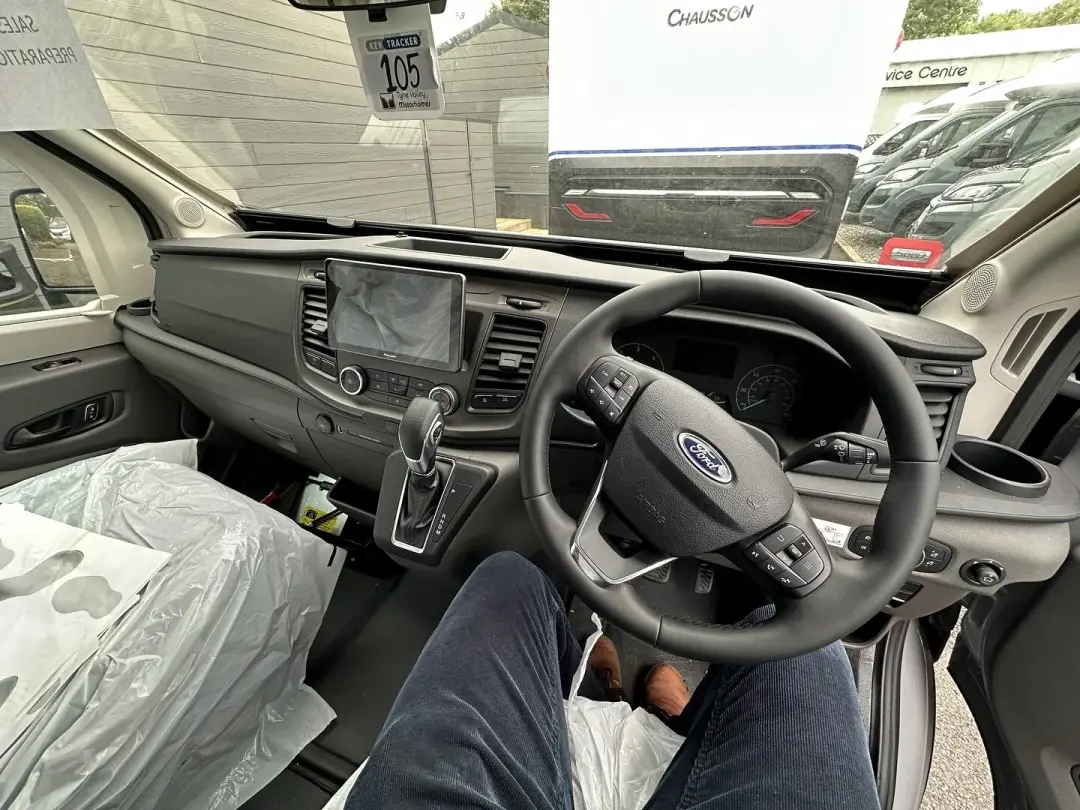
Where habitation checks fit
The accommodation has systems the MOT does not comprehensively assess: appliances, water equipment, interior electrical circuits and the gas installation. A habitation inspection is the appropriate starting point for their condition and operation. It also provides a structured opportunity to assess body seals and damp concerns. Repairs or appliance servicing may be additional to the inspection itself.
Our existing guide explains what a habitation check includes. The distinction matters when comparing quotations. One business may quote for an engine service, another for accommodation checks and another for both. Similar descriptions such as annual service can conceal very different work lists. Request the actual checklist instead of assuming the most comprehensive interpretation.
How to arrange the work efficiently
Start with the earliest deadline: MOT expiry, a manufacturer service requirement or a warranty inspection window. Then ask whether those appointments can be coordinated. A workshop may carry out some work itself and arrange another element elsewhere. Confirm who is responsible for each booking, what transport is needed and whether a failed MOT could change your collection date.
GOV.UK normally allows an MOT up to one month minus one day before expiry while keeping the existing renewal date. Check the official date calculation for your vehicle. Booking early can create time for an unexpected repair, but it does not let you ignore a known safety defect. Tell the workshop about warning lamps, braking changes and leaks before delivery, and ask whether driving there is appropriate. GOV.UK: when to get an MOT.
Questions to ask before authorising repairs
Agree how the workshop will contact you if the inspection identifies a fault. A useful instruction is to ask for a diagnosis, an explanation of urgency and an estimate before additional repairs proceed. Separate work required for the MOT from maintenance due under the manufacturer schedule and other recommendations. That makes the decision easier to understand without treating every advisory as an immediate failure.
Also ask what the quoted price includes: test fee, service consumables, labour, VAT and any retest arrangements. Do not assume an MOT pass includes the cost of rectifying defects. If several jobs are combined, an itemised invoice helps you see what was actually done. It also prevents confusion next year when another technician needs to establish whether a replacement was performed or merely recommended.
What to check when you collect your motorhome
Collect the MOT result and advisories alongside the service invoice and any habitation report. Ask the technician to explain outstanding items in practical terms: what needs attention, why it matters and when to book it. Keep component replacement dates as well as mileage, because a lightly used motorhome can reach a time-based deadline long before a mileage threshold.
Before your next journey, follow the handbook's normal owner checks. If a new warning lamp appears or the vehicle behaves differently, contact the workshop rather than relying on the fact that it recently passed. For owners near Newcastle upon Tyne, combining clear records with a properly specified service makes future bookings more predictable. The aim is to maintain the vehicle between inspections, with each appointment doing a defined job.
Summary
Use the MOT for its roadworthiness purpose, the mechanical service for scheduled maintenance and habitation checks for the accommodation. Bring your records and ask for an itemised scope so the right work is booked. Tyne Valley Motorhome Service Centre can discuss motorhome servicing near Newcastle upon Tyne and help you identify the next appointment your vehicle needs.