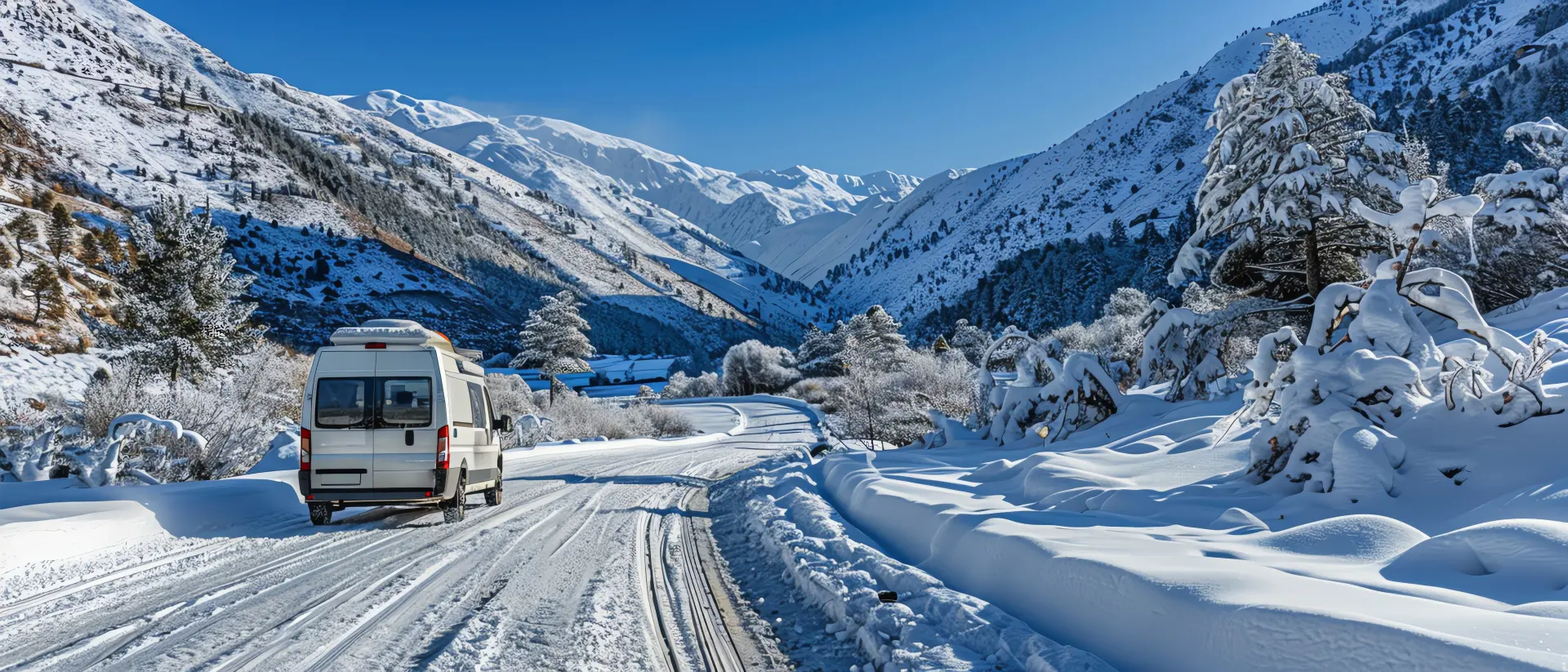
Find out how to prepare a motorhome for cold weather to prevent breakdowns, protect your system, and enjoy a safe, worry-free winter holiday.
Service checks before the cold
Regular service checks before the cold arrives help keep your motorhome safe, reliable and ready to use through winter. Start with a full engine service if it is due, including oil, filters, coolant strength and hose condition. Ask a qualified technician to test the brakes, steering, suspension and handbrake. They should also check lights, tyres, wiper blades and screen-wash level.
Make sure all heating systems work correctly and that vents are clear and undamaged. Test smoke and carbon monoxide alarms and replace batteries. Fixing small faults before cold weather can prevent breakdowns, leaks, safety issues and costly repair bills later. Book your service early each year so you are not left waiting when the first frosts and icy mornings arrive.
Battery health and winter charging
Cold weather is hard on both engine and leisure batteries, so checking battery health is vital before winter. First, inspect the battery cases and mounting trays for cracks, leaks or swelling. Look at the terminals for any white or green corrosion and clean them carefully if needed using a proper brush.
Check that cables are tight, not frayed and well supported. If you are unsure, have the batteries tested under load so you know they are holding charge at the correct level. If you store your motorhome in a yard or garage, use a smart charger or maintainer to keep the batteries charged without overcharging them.
Many owners fit a solar panel and regulator to help keep the leisure battery topped up in daylight, even on dull days. Turn off or disconnect non essential electrical items when not in use so you avoid slow drains that flatten the battery.
Check that alarms, tracking devices and control panels are drawing a safe standby current. If a battery is old, weak, slow to charge or often goes flat, replace it before the coldest months arrive.
A healthy, fully charged battery will crank the engine more easily on frosty mornings and will also keep your heating, lighting and water pumps running smoothly when you are staying at a winter campsite.
Make a note of test results, purchase dates and signs of decline so you can spot changes over time. Planning battery care reduces the risk of breakdowns and cancelled journeys during the season.
Engine oil, filters and belts
Winter is a good time to review engine oil, filters and belts on your motorhome. Use the grade of oil recommended in the handbook, as this helps cold starts, reduces wear and protects the engine. Replace the oil and oil filter at the service interval or sooner if you drive many miles or tow often. The air and fuel filters should also be checked and renewed when needed to keep the engine breathing and running cleanly.
Ask the technician to inspect drive belts for cracks, glazing, frayed edges or slack tension. Replacing worn belts before they fail can prevent loss of battery charging, loss of power steering and even serious engine damage in very cold weather on longer winter journeys.
Gas system checks and safe storage
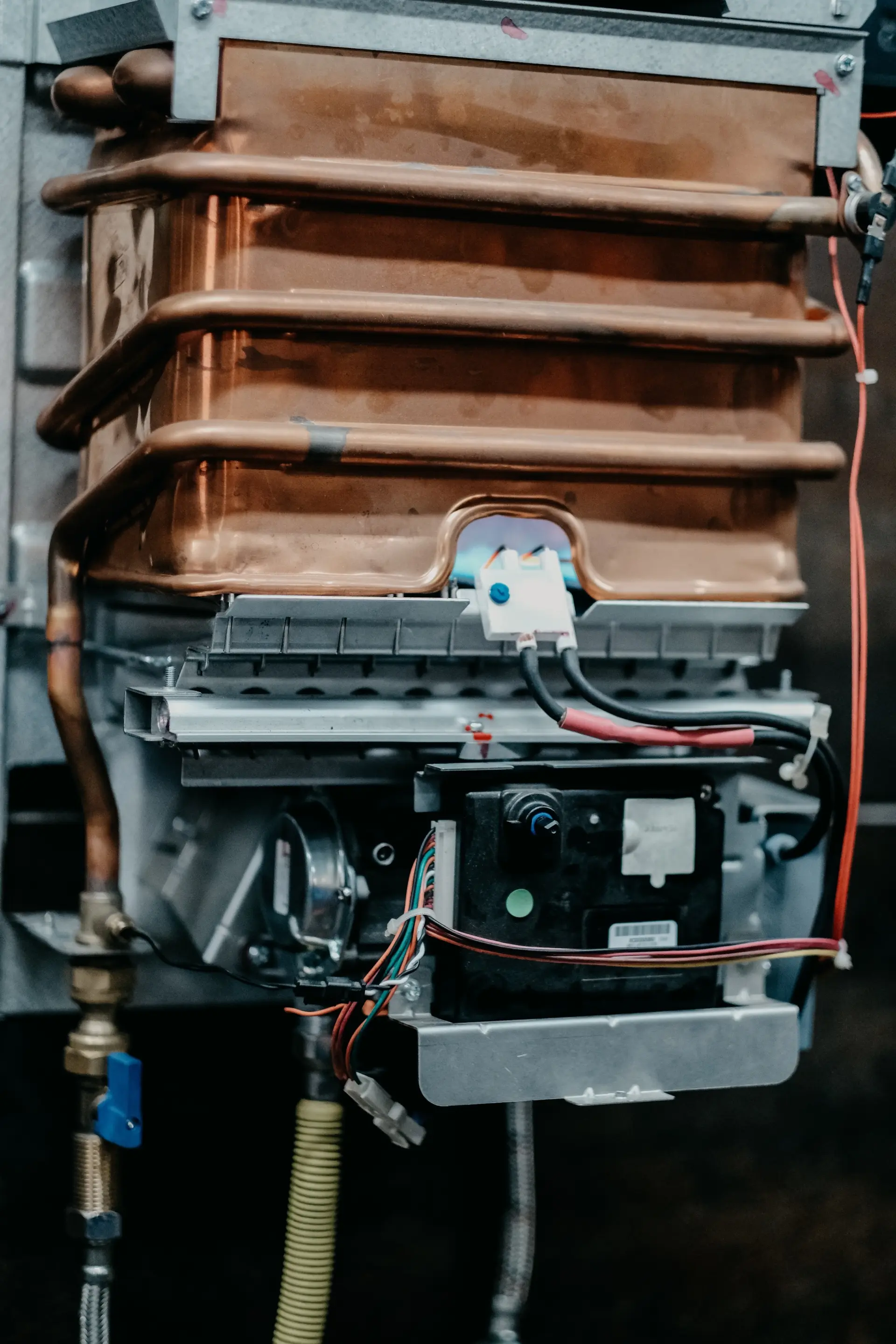
Your motorhome gas system needs careful checks before cold weather, as you may rely on it more for heating, hot water and cooking. Have a qualified gas engineer inspect pipework, regulators and connections for leaks, damage or corrosion.
They should carry out a tightness test and check that all appliances light correctly, burn with a steady blue flame and have good ventilation. Make sure flues and roof vents are clear of leaves, spider webs, ice or debris and that cowlings are secure. Test the oven, hob, grill and gas heater on both low and high settings to confirm stable performance.
If you use refillable cylinders or an underslung tank, confirm that valves, flexible hoses and pigtails are in good condition and within their date. Store spare cylinders upright, outside the living area in a vented locker, and secure them so they cannot move or fall.
Never bring loose cylinders inside the habitation area, even for a short time. Check gas isolation taps are labelled and easy to reach so you can turn off supplies quickly in an emergency. Ensure your carbon monoxide alarm is tested, in date and fitted in the correct position.
A well maintained gas system gives safe, reliable heat during cold weather and helps you enjoy winter touring with greater comfort and peace of mind. Keep records of all gas checks, test results and parts replaced, and store them with your other service documents. Clear records make later inspections easier and support any warranty or insurance claims.
Waste tank, toilet and frost prevention
Waste tanks and toilets are at high risk of freezing in cold weather, so planning ahead is important. Drain the grey waste tank often and, where rules allow, leave the valve slightly open if your motorhome is parked over a suitable drain. Use a little non toxic antifreeze designed for motorhome systems if the maker recommends it.
Empty and clean the toilet cassette regularly and add winter friendly chemicals that still protect seals. Insulate exposed pipes and tank outlets where possible and check for low points where water might sit and freeze. Keep the interior above freezing during cold spells using safe heating. These simple steps reduce the risk of cracked tanks, leaks, blocked pipes and bad smells in spring.
We provide full motorhome habitation checks covering gas, electrical and water systems, fire and safety equipment, doors, windows, vents and damp. We also update your paperwork and highlight any faults or risks. Regular checks help protect your warranty, keep your motorhome safe and comfortable, and give peace of mind on every trip. Call today for Motorhome Servicing in Newcastle, Tyne and Wear.