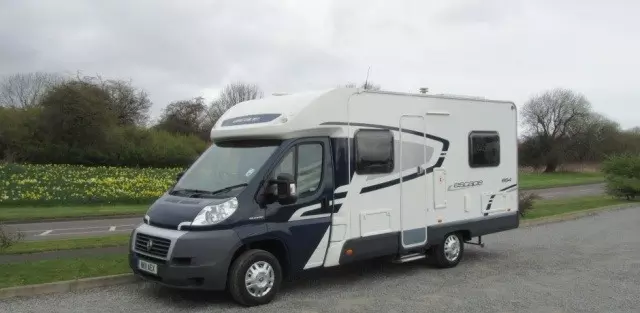
Need motorhome repairs? This guide explains the typical cost of common motorhome repair services, helping you understand how much you may need to pay for local engine, plumbing, electrical, bodywork and interior repairs.
The prices included in this guide are a rough guide rather than fixed quotes. The final bill will vary depending on the vehicle, its age, its condition, the parts needed and the location of the workshop. Costs can also change depending on the brand, size, weight and layout of the motorhome.
Understanding likely repairs and running costs can help you plan a realistic budget. It can also protect your motorhome, support its resale value and reduce the chance of an expensive problem affecting your next trip.
Factors That Affect Repair Pricing
Motorhome repair pricing in the UK is often a blend of labour, parts and risk, alongside the way the vehicle is built. Labour rates can vary from area to area and between different types of workshop. Dealer networks and specialist bodywork centres generally charge more than independent garages because they may have advanced equipment and training from manufacturers.
Some repairs that would be simple on a car can take much longer on a motorhome. A technician may need to remove furniture, tanks, flooring or bonded panels to reach the affected area. The living area can make access difficult, particularly when pipes and electrics have been fitted behind cupboards or under fixed beds.
The time needed to find the cause of a fault can also affect the cost. This is common with intermittent electrical problems, water leaks and damp. A workshop may need to complete several checks before it can provide an accurate estimate. The type of vehicle is important too. Large campervans, coach-built models and a twin axle motorhome can have different servicing needs. The cost may also depend on the mileage, the availability of parts and whether modifications have been made.
Before agreeing to any work, ask what is included in the estimate. A good workshop should explain the expected labour, replacement parts and any further checks that may be needed. Customers should also ask whether the quoted prices include VAT.
Typical Costs for Engine Repairs
A typical motorhome engine repair can vary in cost because of labour time, replacement parts and whether the vehicle needs custom work. The engine may be based on a common van chassis, but access can still be harder because of the motorhome body.
A diagnostic check typically costs around £50 to £100. This usually includes fault-code scans, live data checks, pressure tests and a visual inspection. Further investigation may cost more if the fault only appears while the vehicle is being driven.
A timing belt service with a water pump can cost between £450 and £900 on average. The price will depend on the engine layout and whether the belt, tensioners, idlers and coolant are included.
An EGR valve replacement may cost around £260 for a straightforward job. The bill can be higher if the cooler must also be removed, cleaned or replaced.
Turbocharger replacement usually costs between £1,000 and £2,500. The final cost will vary depending on whether new oil lines, intercooler cleaning and further engine checks are included. These services can help protect the new turbo and prevent another breakdown.
Head-gasket repairs may cost between £700 and £1,850, although the price can be higher on a large or older vehicle. A clutch replacement may cost between £500 and £1,000. Adding a dual-mass flywheel can increase the total to between £1,200 and £2,000.
Regular servicing is one of the best ways to reduce the risk of major engine repairs. An annual service allows a garage to check fluid levels, belts, filters and other essential systems. It can identify early signs of wear before they become more expensive.
Brakes, Suspension and Chassis Repairs
Brakes, suspension and chassis components carry more weight in a motorhome than in many cars. They can also be affected by long periods of storage, low yearly mileage and uneven loading.
A basic brake inspection may be included in a motorhome service or MOT. Replacing front brake pads can cost around £150 to £300, while discs and pads may cost between £300 and £650. Prices depend on the axle, part quality and labour time.
Suspension repairs can range from replacing a worn bush to fitting new springs or shock absorbers. Smaller repairs may cost a few hundred pounds, while major work can cost £1,000 or more. Air-assisted suspension equipment may also need specialist servicing.
Rust on the chassis should never be ignored. Surface rust may be treated for a relatively low cost, but structural corrosion can require welding and extensive repairs. This can become expensive quickly, particularly if the damage is near suspension mounting points.
A regular check underneath the motorhome is important after winter road use or long periods in storage. Salt, moisture and trapped dirt can damage metal parts over time.
Tyre Replacement Costs
Motorhome tyres may need replacing because of age rather than mileage. A vehicle that is used only for holidays and weekends can still develop cracking or flat spots while being stored.
Tyres suitable for campervans and motorhomes often cost more than standard car tyres because they must support a higher load. Depending on the size, type and manufacturer, owners may pay between £100 and £250 for each tyre. Premium or specialist tyres may cost more.
The tyre pressure should be checked regularly and adjusted for the vehicle’s weight. Incorrect pressure can affect handling, fuel use and tyre life. It may also increase the risk of a breakdown.
Do not forget to inspect the spare wheel where one is fitted. A tyre can look good from a distance but still have cracking, damage or an old date code.
Plumbing and Water System Repair Costs
Motorhome plumbing and water system repair costs vary depending on the parts, labour and available access. As a general guide, many engineers charge between £50 and £75 per hour. A mobile engineer may also charge a call-out fee of around £70 to £80, which may cover the first part of the inspection.
Leak tracing and minor repairs can include checking joints, taps, heaters, pipes and tanks. Push-fit connectors and valves used in common 12 mm caravan systems are usually cheaper to replace than major appliances. A short section of pipework or a small number of fittings may therefore have a fairly low total cost.
A freshwater pump can cost between £55 and £185, depending on its flow rate, pressure and brand. A fitted replacement may cost between £150 and £350. The price may be higher if access is limited or an accumulator is needed.
Water heater repairs vary widely. Replacing a small valve or control part may cost less than £200, while a full replacement heater can cost £700 to £1,500 or more. The cost will depend on whether the appliance uses electric power, gas or both.
Owners should drain the water systems before freezing weather. Water left in a pump, pipe or heater can freeze, expand and cause damage. Paying for winter preparation is usually cheaper than replacing split pipes and appliances.
Electrical Repair Costs
Electrical faults are common in motorhomes because the vehicle contains both driving electrics and habitation electrics. These systems may include a starter battery, leisure battery, charger, solar panel, control unit, lighting, sockets and mains hook-up equipment.
A simple electrical inspection may cost between £60 and £150. Finding an intermittent fault can take longer, so the final cost will depend on how quickly the technician can locate the problem. A replacement leisure battery may cost between £100 and £400, depending on the battery type and capacity. Lithium batteries are more expensive and may also require changes to the charging systems.
A replacement charger or power supply unit may cost between £250 and £800 when parts and labour are included. Control panels and distribution units can also be expensive, particularly when a model is no longer made.
Mains electrical work should be completed by a suitable professional. Incorrect work can create a fire or electric shock risk. Safe wiring, suitable fuses and correct ventilation are essential.
Solar panel repairs may involve a damaged controller, loose wiring or a failed panel. A minor repair may cost under £200, while a complete new set-up can cost £500 to £1,500 or more.
Gas System Repairs and Safety Checks
Gas systems need careful inspection because a leak or faulty appliance can put people at risk. Most motorhomes and caravan models use LPG gas for cooking, heating or hot water.
A gas safety check may be included in a habitation service. The engineer should inspect the regulator, hoses, pipework, isolation valves, flame quality and ventilation. The work may also include a gas pressure test.
The tyre pressure should be checked regularly and adjusted for the vehicle’s weight. Incorrect pressure can affect handling, fuel use and tyre life. It may also increase the risk of a breakdown.
Do not forget to inspect the spare wheel where one is fitted. A tyre can look good from a distance but still have cracking, damage or an old date code.
Gas System Repairs and Safety Checks
Gas systems need careful inspection because a leak or faulty appliance can put people at risk. Most motorhomes and caravan models use LPG gas for cooking, heating or hot water.
A gas safety check may be included in a habitation service. The engineer should inspect the regulator, hoses, pipework, isolation valves, flame quality and ventilation. The work may also include a gas pressure test.
Minor gas repairs may cost between £80 and £250. Replacing a regulator, hose or simple valve is usually cheaper than replacing a boiler, fridge or heater. A complete heating appliance may cost more than £1,000 once fitting is included.
A gas check is not always a general legal requirement for a private motorhome owner, but it is important for safety. Different legal duties may apply when a vehicle is hired out or used for business purposes.
Work involving gas should be completed by a person with the right experience and approval for LPG systems in leisure vehicles. This provides peace of mind that the system has been tested correctly.
Damp and Water Ingress Repairs
Early signs include a musty smell, soft wall panels, marks around windows, peeling finishes and unusual readings on a damp meter. Damp may also appear inside cupboards or under mattresses where airflow is limited.
A basic damp check may cost between £50 and £150. It is often included in a full habitation service. A more detailed inspection may cost more if the workshop needs to remove panels or furniture.
Small resealing repairs may cost between £150 and £500. More serious water ingress can damage insulation, timber, flooring and wall panels. Large repairs may cost several thousand pounds.
The longer damp is left, the more expensive the work can become. Regularly inspect seals and arrange repairs as soon as a problem is found. Good ventilation also helps reduce condensation inside the living area.
A warranty may cover some water ingress repairs, but manufacturers often require evidence of annual habitation checks. Missing a required HAB check may affect a future claim.
Habitation Servicing and Inspection Costs
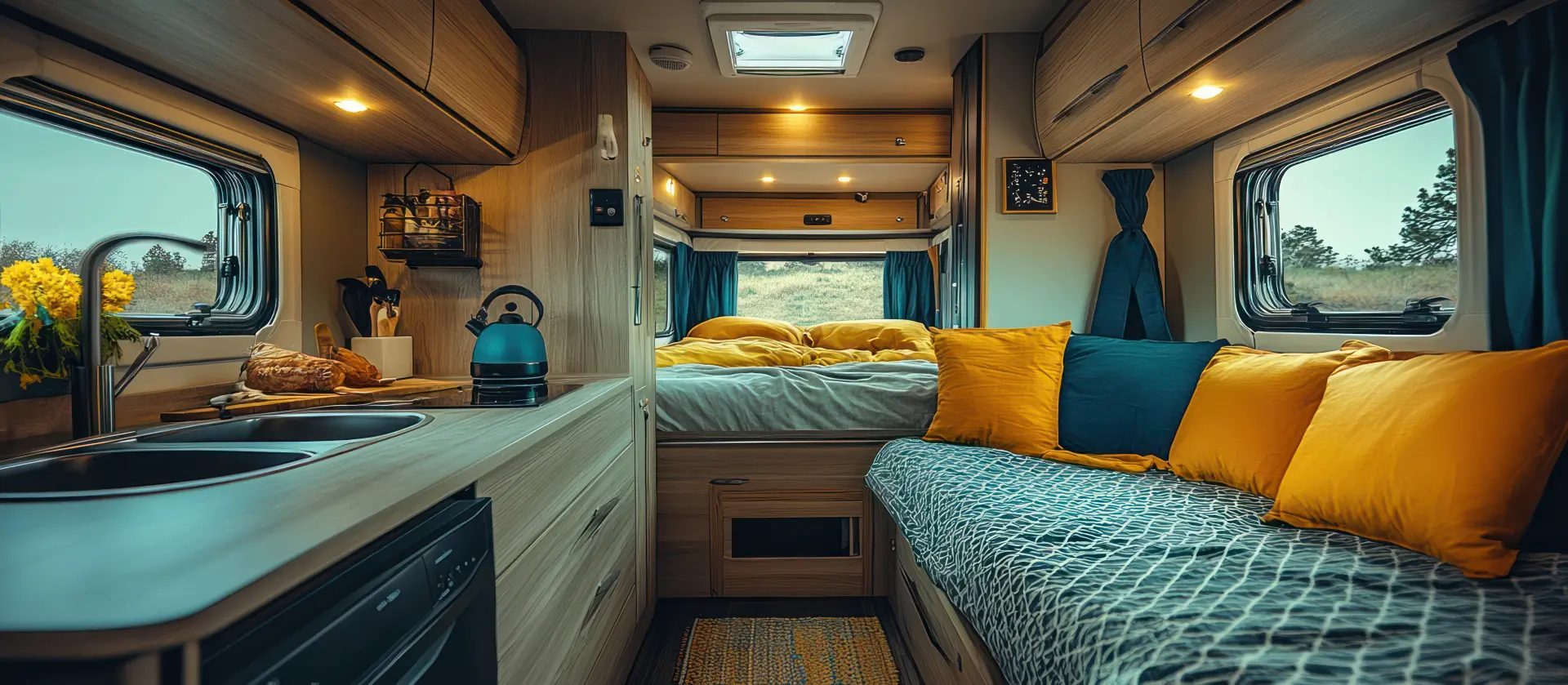
A habitation service focuses on the systems and equipment used when the motorhome is parked. It is different from an engine service and usually covers gas, water, electrics, appliances, ventilation, fire safety and damp testing.
The average cost of a habitation service is often between £200 and £350. Prices vary depending on the location, the size of the motorhome and the amount of equipment fitted. Larger models and twin axle vehicles may take longer to inspect.
Habitation checks should normally be completed every year. Regular habitation checks can find worn seals, loose fittings, damaged cables and faulty safety equipment. Habitation checks may also be required to keep a manufacturer warranty valid.
A full report should explain what has been checked, the condition of each system and any repairs that are needed. Some workshops may offer a lower price for a basic check, but it is important to confirm what is included.
Although a habitation service is not normally a legal requirement for a private vehicle, regular servicing is strongly recommended. It helps keep the motorhome safe, comfortable and ready for road trips.
When choosing a service centre, look for relevant experience with motorhomes, caravan servicing and campervans. A trusted provider should be able to explain the work and answer questions clearly.
Interior Repairs and Refurbishment Prices
Motorhome interior repairs and refurbishment services vary in price because many jobs combine materials, custom work and access time. Independent workshops may charge between £45 and £60 per hour, while some dealers and specialists charge £80 to £85 per hour.
Soft furnishings make up a large part of many refurbishment projects. Motorhome re-upholstery can cost from around £1,300 for replacing the fabric. The cost may rise to around £1,650 when new foam is included.
Mattress replacements, re-trims and foam upgrades may cost around £250 for common materials. Leather, detailed stitching and custom shapes will usually cost more.
If the floor has become spongy, delamination injection repairs may cost around £120 per square metre. The final price can increase if fixed furniture must be removed or access is difficult.
Cupboard, door and worktop repairs can range from a small adjustment to a complete replacement. A broken catch may cost very little, while custom cabinets can cost hundreds or thousands of pounds.
Interior work may also be affected by the age of the motorhome. Matching an old finish can be difficult when the original material is no longer sold. The workshop may recommend replacing a larger area to deliver a consistent result.
Appliance Repair and Replacement Costs
Motorhomes can contain several appliances, including fridges, cookers, boilers, heaters and air-conditioning units. Repair prices vary depending on the type of appliance, the fault and whether replacement parts remain available.
A fridge inspection or minor repair may cost between £100 and £300. A complete replacement can cost between £800 and £1,800, depending on the size and power options.
Heating repairs may involve a sensor, fan, control board or burner. A small repair may cost a few hundred pounds, while replacing the complete unit can cost £1,000 to £2,500.
Cooker repairs are often cheaper when the problem is limited to a thermocouple, burner or ignition switch. A full replacement may still cost several hundred pounds.
Appliance faults should be checked quickly, especially when gas or mains electricity is involved. Continuing to use damaged equipment can be unsafe and may cause further damage.
Insurance, Warranty and Repair Cover
Insurance can protect owners from the cost of accidents, theft, fire and some forms of damage. The exact cover will depend on the policy, so it is important to read the terms carefully.
Standard insurance will not usually pay for wear, neglect or routine servicing. It may also exclude damage caused by poor maintenance, frost or long-term water ingress.
A manufacturer warranty can cover faults caused by defective parts or poor construction. However, the warranty may require annual servicing and documented habitation checks. Owners should store invoices and service reports in a safe place for several years.

Some companies offer mechanical breakdown cover for motorhomes and campervans. The level of cover can vary, and older vehicles may have more limits. Check the maximum claim amount, labour rate, excluded parts and excess before buying.
Good records can help with warranty and insurance claims. They may also improve resale value because a future buyer can see that the vehicle has been maintained regularly.
Storage and Security Costs
Storage is an important part of the running costs of owning a motorhome. Home storage may be cheaper, but it depends on available space, local rules and security.
A secure storage site may charge from several hundred pounds to more than £1,000 per year. Prices change depending on the location, security level, access hours and whether the space is indoors.
The vehicle should be left clean, dry and properly prepared before long-term storage. Water systems should be drained, batteries should be maintained and ventilation points should remain clear.
Security devices such as alarms, tracking units, steering locks and wheel locks add to the cost of owning a motorhome. However, they may help protect the vehicle and could affect insurance prices.
Before you store a caravan, van or motorhome, check the storage provider’s terms and insurance rules. Some policies require approved security equipment.
MOT, Road Tax and General Ownership Costs
A motorhome usually needs an MOT once it reaches the required age. The test checks important road safety and environmental items, including brakes, tyres, lights, suspension and emissions.
The MOT cost itself is controlled by a maximum test fee, but any repairs needed to pass will increase the bill. A failed test can also delay a holiday or planned trip.
Road tax is another regular cost. The amount can depend on the date of registration, emissions, weight and the way the vehicle is recorded. Owners should check the current UK rules for their specific motorhome.
Other running costs include fuel, insurance, servicing, storage, cleaning and campsite fees. Fuel use will depend on the motorhome’s weight, engine, driving style and road conditions.
Depreciation is also worth considering. A well-maintained motorhome with a complete service history may be easier to sell and could achieve a higher resale price. A neglected vehicle with damp, damage or missing records may lose money more quickly.
MOT, Road Tax and General Ownership Costs
Most owners should arrange an annual service for the base vehicle and a separate habitation service for the living systems. The correct schedule can change depending on the manufacturer, mileage and how the motorhome is used.
A motorhome that covers long distances may need mechanical servicing more often. One used mainly for short weekends may still need yearly checks because fluids, seals, tyres and batteries can deteriorate while it is parked.
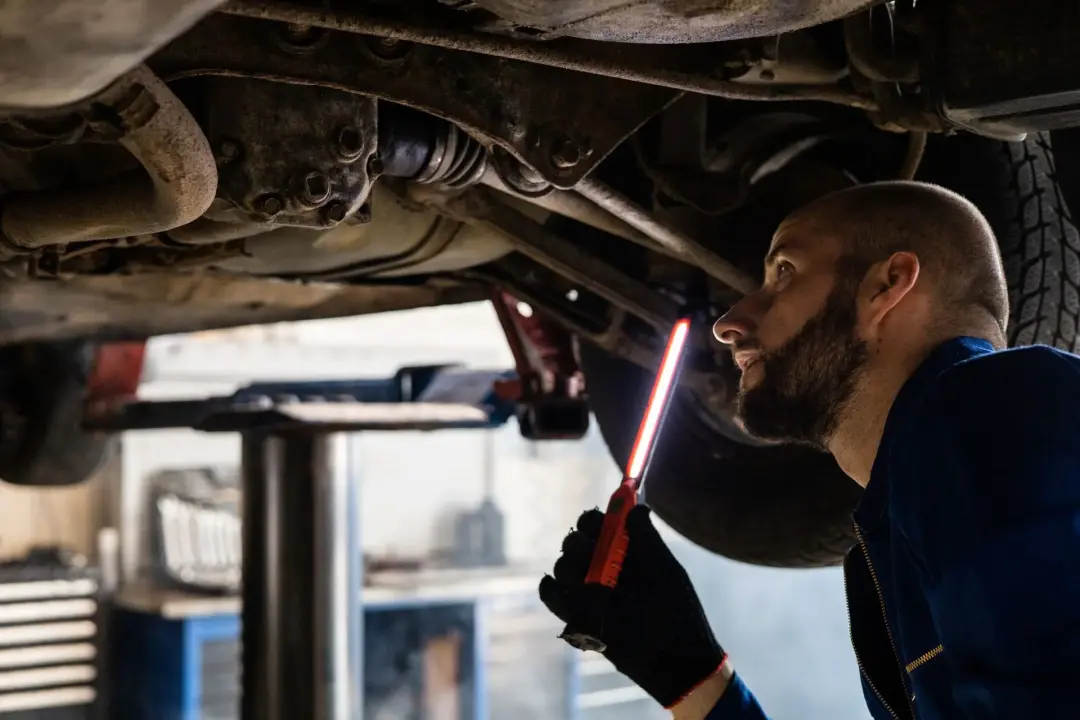
The servicing schedule should include the engine, brakes, chassis, electrics, water, gas and safety systems. Maintaining these areas regularly ensures the vehicle remains reliable and comfortable.
A caravan or motorhome that has been stored for months should be checked before its first major journey. This gives the owner time to arrange any needed work before leaving home.
How to Reduce Motorhome Repair Costs
The best way to save money is to identify small faults before they become major repairs. Check fluid levels, tyre condition, lights, seals and batteries regularly.
Keep the interior dry and maintain good airflow. Open cupboards when the vehicle is not being used and avoid blocking fixed ventilation points. This can reduce condensation and help prevent damp.
Drain the water system before winter and follow the instructions provided by the appliance manufacturers. Frost damage can be expensive and is often not included in insurance cover.
Book servicing early rather than waiting until the week before a holiday. Workshops can become busy during spring and summer, and parts may take time to arrive. Use the correct fuel, oils, coolants and replacement parts. A cheaper part may not offer good value if it fails quickly or affects another system.
Owners should also avoid making electrical or gas modifications without suitable knowledge. Poor work can create a safety risk, damage appliances and affect a warranty.
What to Check Before Buying a Used Motorhome
Buying a used motorhome can offer good value, but a full inspection is important. Ask for the MOT history, engine service records, habitation service reports and invoices for previous repairs.
Look closely for damp, water marks, soft floors, damaged seals and unusual smells. Check that all appliances work on their available power sources and that the water systems hold pressure.
Inspect the bodywork, roof, windows, awning rail and underside. Signs of fresh sealant or newly fitted panels are not always a problem, but the seller should be able to explain the work.
Check the age and condition of the tyres, even when the tread looks good. Confirm the vehicle’s weight limits and make sure its layout is suitable for your family and travel plans.
A professional pre-purchase inspection will add to the buying cost, but it can help you find hidden problems. It may also give you useful information when agreeing the purchase price.
Planning a Motorhome Repair Budget
It is sensible to set aside money each year for servicing and unexpected repairs. The amount will depend on the motorhome’s age, condition and complexity.
Newer campervans may have lower repair costs while they remain under warranty, but servicing is still needed. Older campervans can be cheaper to buy but may need more work over time.
As a rough guide, an owner may choose to budget for routine motorhome service work, a yearly habitation service, MOT costs, tyres and a separate repair fund. Large jobs such as a turbo, gearbox, heating system or water ingress repair can cost several thousand pounds.
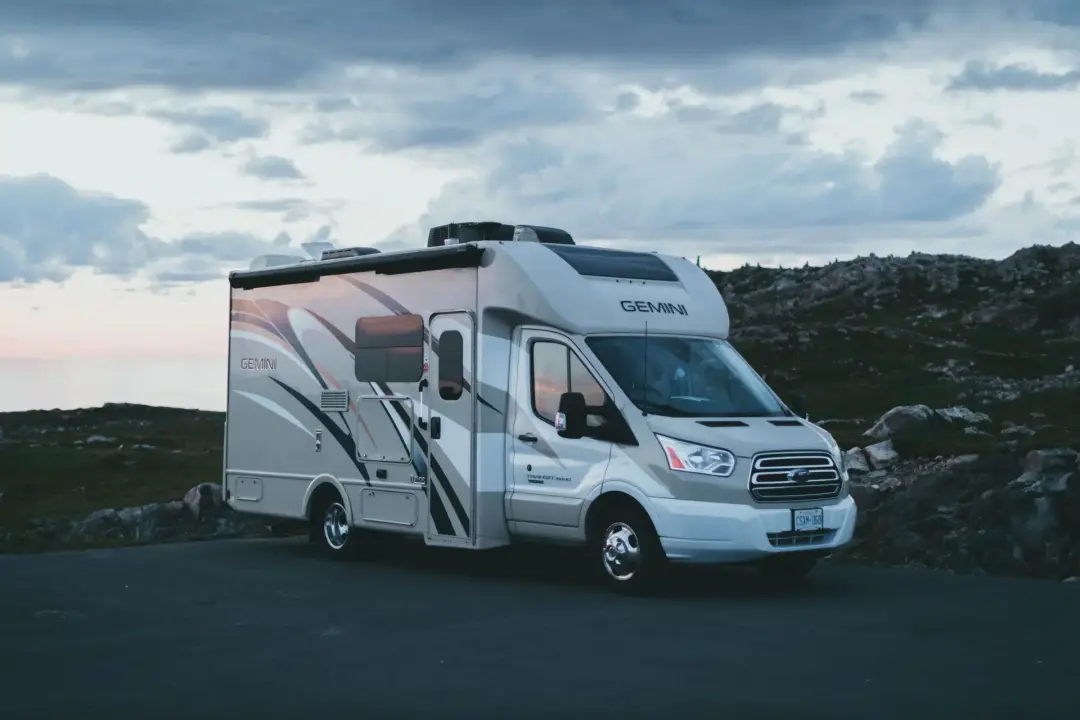
The figures in this guide provide a starting point rather than a fixed answer. Every motorhome is different, and prices can depend on the workshop, region, part availability and amount of labour involved.
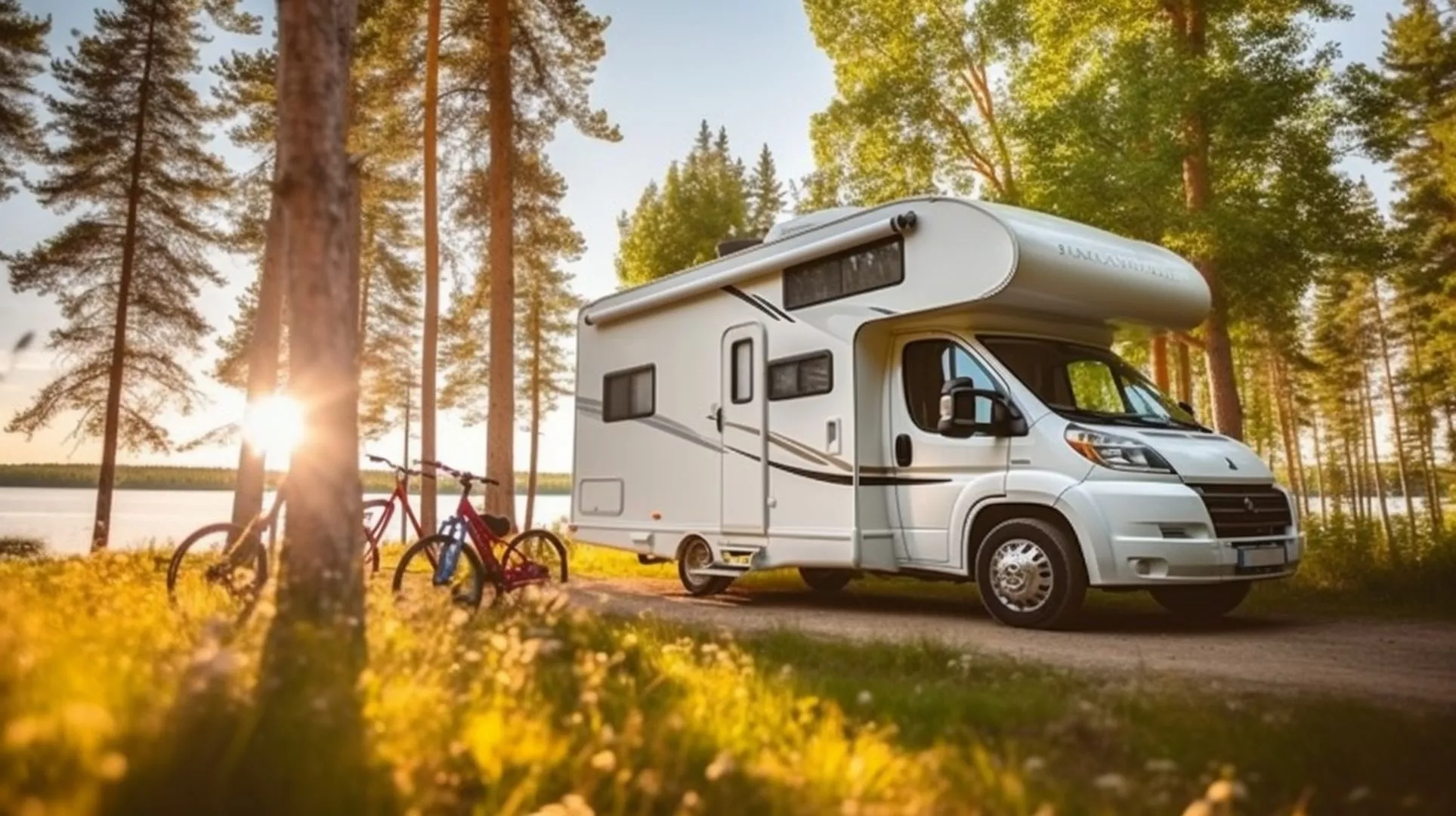
Owning a motorhome brings freedom, comfort and the chance to enjoy new adventures. Good servicing, careful storage and prompt repairs can protect that experience. They can also help the vehicle stay safe, reliable and ready to drive when the next road trip begins.
By understanding the likely cost of repairs and checking the motorhome regularly, owners can plan with greater confidence and enjoy greater peace of mind.
At Tyne Valley Motorhome Service Centre, we can keep your motorhome road-ready with our expert diagnostics, repairs and maintenance services in Newcastle, Tyne and Wear. From soft floors to squeaky brakes, we can fix any issue with your motorhome so that you're guaranteed to stay safe and comfortable on the road.