A useful motorhome service plan should identify the vehicle, the services you are buying, when they are due and what remains payable separately. A monthly amount alone cannot tell you whether the engine, habitation area or both are covered. Compare the written work schedule before you compare the payment figure.
Start with the work your vehicle needs
List the base vehicle, engine, conversion manufacturer and current mileage. Then collect the last service invoices and any warranty handbook. A plan needs to fit those requirements rather than simply promise an annual appointment. Oil replacement, accommodation checks and appliance servicing are different activities, even if a provider groups them under a single package.
The Approved Workshop Scheme explains that its motorhome habitation service normally takes around three hours and concerns the habitation unit. That is a published guide, not a guaranteed completion time or evidence that engine work is included. Ask each provider to describe its mechanical and habitation elements separately, especially if you want both completed during the same visit. Approved Workshop Scheme: servicing questions.
Separate inspections from replacement work
Look for verbs in the plan description. Inspect, test, lubricate, adjust and replace do not mean the same thing. A brake inspection might reveal worn components without paying for new pads or discs. Similarly, a damp assessment may identify a leak while excluding the work needed to remove a rooflight and reseal it. Understanding that distinction makes a quoted package much easier to evaluate.
Request a list of routine consumables and the circumstances in which they are renewed. If oil and filters are included, the specification should match the engine. Ask whether specialist oils, additional fluid capacity, disposal charges or VAT affect the total. A service plan is often a way of funding scheduled work; it should not be treated as unlimited breakdown cover unless its contract expressly provides that protection.
Check the items that fall outside the plan
Common questions concern tyres, batteries, wiper blades, timing belts and work on accessories fitted after conversion. Do not assume these are excluded everywhere or included everywhere. Instead, make a short list of the expensive time-based items approaching on your own vehicle and ask the provider to mark each one as covered, discounted or separately chargeable.
Diagnostic time also deserves a clear answer. A routine inspection may reveal a fault that needs a further appointment to investigate. Ask whether the initial investigation is included, whether there is an allowance and how additional time is authorised. The same applies to retests and follow-up visits. Written answers are more useful than a broad assurance that the motorhome will be looked after.
Understand how payment and booking work
Find out whether you are paying into an account for future servicing, purchasing a defined package or using a separate finance arrangement. The amount collected, number of payments and services available should be understandable together. Ask whether the price can change, what happens if a payment is missed and whether work can be claimed before the full balance has been paid.
A worked example can expose a misunderstanding. If a plan costs an illustrative £30 a month for 12 months, the annual contribution is £360. That arithmetic says nothing about value until you know which jobs the £360 buys and whether other fees apply. These figures are an example, not a price offered by Tyne Valley Motorhome Service Centre. Request an actual quotation for your vehicle.
Look at cancellation and vehicle changes
An owner may sell the motorhome, move house or stop touring during the plan term. Ask what happens to money paid, services already taken and any remaining balance. Check whether the plan follows the owner, the vehicle or neither, and whether it can be used at a different workshop. Make sure those answers come from the administrator named on the agreement.
The Motor Ombudsman's Service and Repair Code includes a 14-day cancellation commitment for certain plans administered by its accredited businesses, subject to its stated conditions. That code is not evidence that every workshop or plan has identical terms, and it does not establish this business's accreditation. Use it as a comparison point while checking the agreement and any statutory rights applicable to your purchase. The Motor Ombudsman: Service and Repair Code.

Bring the answers together before deciding
Create a simple comparison with headings for work included, work excluded, due dates, total payments and cancellation terms. Put each quotation into that format. A more expensive-looking package may include an additional inspection; a lower headline figure may leave a large scheduled replacement outside the plan. Neither result is automatically wrong if you understand what you are buying.
For a motorhome used around Newcastle upon Tyne and on longer tours, practical arrangements matter too. Ask how far ahead you should book, what happens if a service falls due while you are away and which records you receive afterwards. Keep a copy of the plan beside the invoices so each year's work can be checked against the original promise. A clear agreement makes the plan useful long after the first payment.
Summary
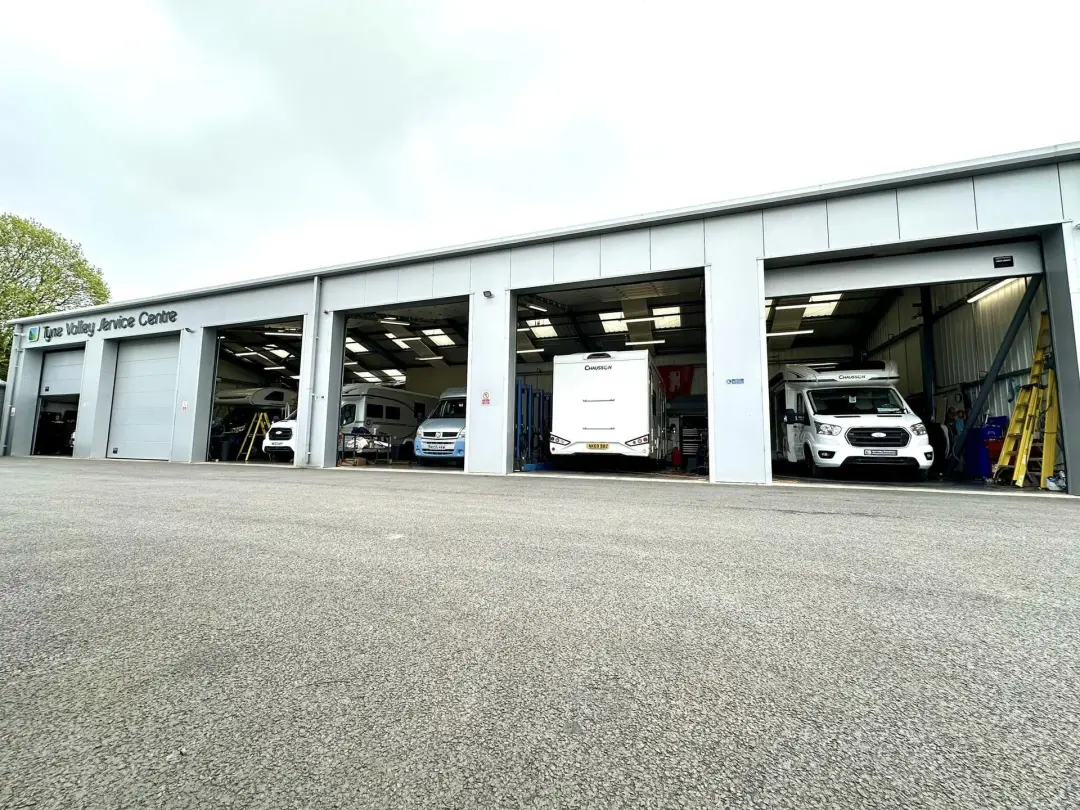
Choose a plan by its written servicing scope, total cost and workable terms. Confirm inspections, replacements and repairs separately, then check how payments and bookings are handled. Talk to Tyne Valley Motorhome Service Centre about motorhome servicing plans near Newcastle upon Tyne and request the current inclusions for your particular vehicle.